Twenty-first Century techniques can create a replacement for a missing or damaged tooth that looks exactly like a natural tooth and actually fuses with the bone of your jaw. How does this amazing technology work? Test your knowledge on these questions.
What is a dental implant?
A dental implant is actually a replacement for the root of a tooth. In the natural tooth, the root is the part of the tooth below the gum line that is suspended in the bone by ligaments that attach the root to the bone. An implant is a root like substitute that is directly attached to the bone by a process referred to as osteointegration. An implant crown is then attached to the implant and is the visible part that we see above the gum tissues.
What is a modern dental implant made of?
Most are made of titanium. This metal is not rejected by the body and in fact fuses with the bone in which the implant is anchored, making it extremely stable.
How long do implants last?
A successful implant can last a lifetime. Factors that can affect an implant's success are smoking, certain drugs, osteoporosis, a history of radiation treatment, or a compromised immune system. We will evaluate all your conditions of dental and general health before deciding on an implant for you.
What makes the crown look like a real tooth?
The new crown looks real if it matches the shape and color of adjacent natural teeth. Its appearance also depends on what we as dentists refer to as the emergence profile (the way the crown seems to emerge from the gum tissue).
What is the function of a temporary crown?
A customized temporary crown can allow details of color, shape, and emergence profile to be worked out during this “temporary” phase of treatment. It can also test whether the tooth will function correctly for speech, biting and chewing. After these details are worked out, the temporary crown can be used as a blueprint for the permanent one.
What is the first step to getting a dental implant?
Make an appointment with us for a full assessment, diagnosis, and plan for placing the implant and crown.
Contact us today to schedule an appointment to discuss any additional questions about dental implants. You can also learn more by reading the Dear Doctor magazine article “Dental Implants, Your Third Set of Teeth.”
Your teeth were designed to last you a lifetime, so you should do everything you can to protect them. This includes guarding them against dental erosion. However, many people may not know for sure what dental erosion is, much less how or why they need to guard against it.
Dental or tooth erosion is the irreversible loss of tooth enamel from chemical attack by acids. Eating or sucking acidic foods such as lemons is a good example. But most people are shocked to discover that it can also be caused by their favorite sodas (carbonated beverages), natural fruit juices, energy and sports drinks — especially with excessive consumption. It takes the saliva, nature's protection, at least 30 to 60 minutes to neutralize the effects of acid, so only one acidic drink an hour causes your teeth to be continually bathed in acid. And this is an important fact to know, because if your mouth is acidic all the time, this will promote tooth decay.
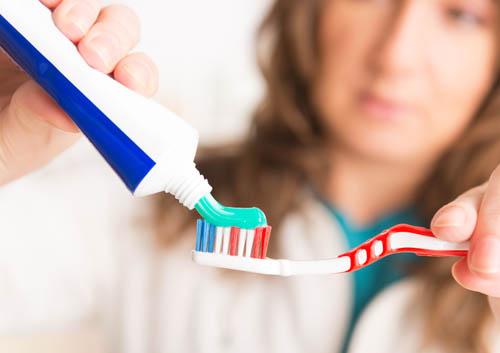
When it comes to dental erosion, brushing immediately after acid consumption can actually make it worse by accelerating the erosion process. This is because the acids in these drinks (and some foods) actually dissolves tooth enamel and softens the tooth surface. These newly softened surfaces can literally be brushed away if you brush before your saliva has a chance to try to reverse the process. If done often, you could even brush away your enamel! For this reason, you should wait at least 30 to 60 minutes before you brush your teeth after consuming any of these products.
One important step that you (and your family) can do to help prevent dental erosion is to limit the amount of these beverages you drink. Instead, try drinking calcium-rich milk or water and saving your favorite acidic beverage for a special treat that you consume preferably with a meal. Try reducing the number of these drinks you consume over a period of time. If you must drink an acidic beverage avoid swishing it in the mouth and use a straw to reduce the contact between the acid and your teeth.
Just remember that once your dental enamel has eroded, it is gone forever. So you should follow these simple tips now to protect your smile and future.